

Which sources do ChatGPT, Gemini and Perplexity prefer — and how to get cited by them
Gustavo De Amorim7 min read
Short answer: ChatGPT, Gemini and Perplexity each have distinct “source personalities”. ChatGPT increasingly shows a few, higher‑influence sources; Gemini exposes a sources panel and often leans on encyclopaedias and platforms in Google’s orbit; Perplexity positions citations as the product, typically surfacing multiple links per answer. To get cited, prioritise authoritative, structured, up‑to‑date pages that directly answer buyer questions — docs, product pages, datasets, and government‑grade references — and make them easy to retrieve and quote.
How do ChatGPT, Gemini and Perplexity show citations today?
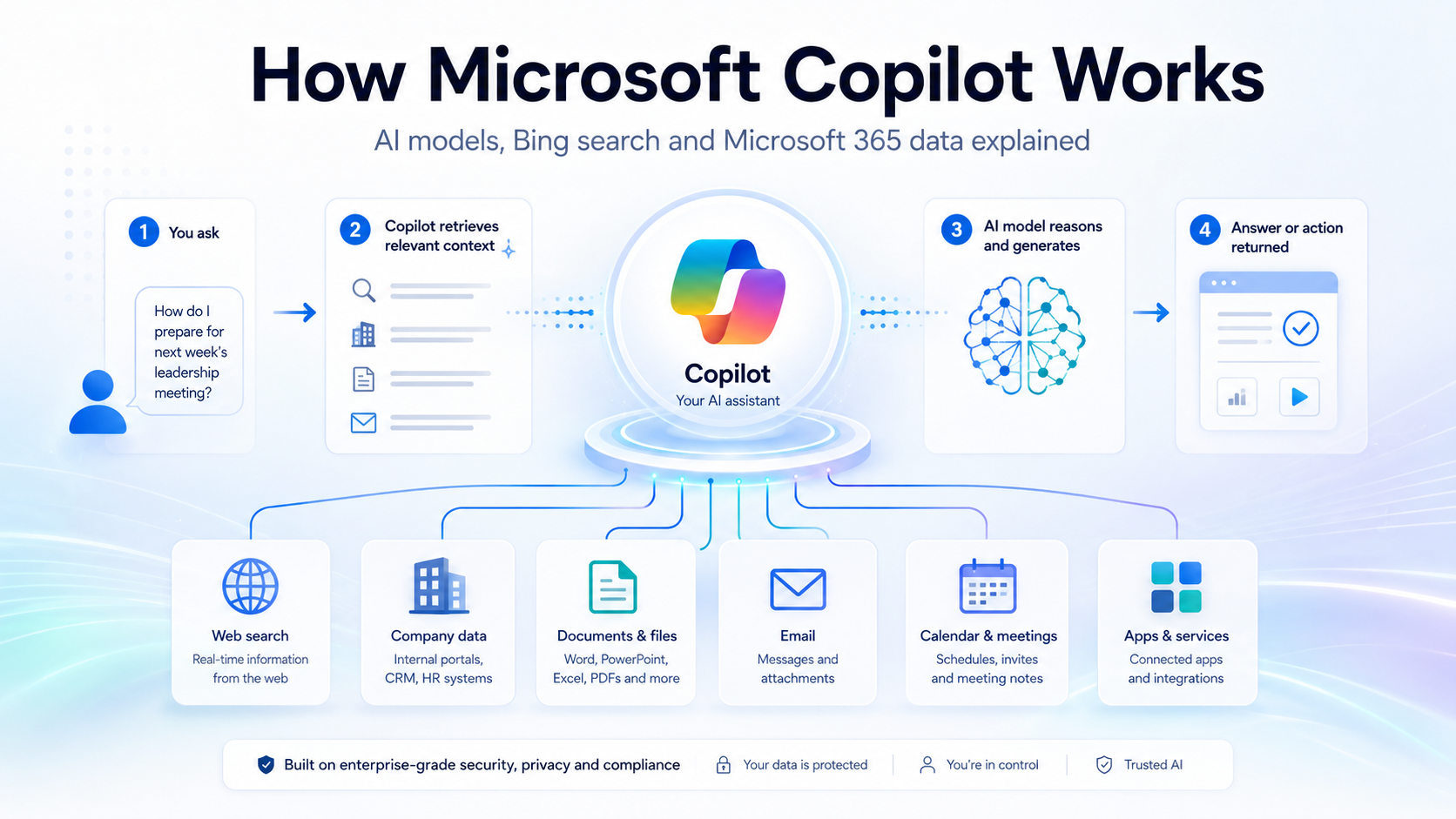
- ChatGPT’s web search answers include inline citations you can expand to open the source. OpenAI’s help and developer docs confirm this and now expose per‑span source annotations in the API’s search tool. See OpenAI’s help on web search and the API guide to web_search citations. (OpenAI Help; OpenAI API).
- Gemini shows a “Sources” panel for related links, with explicit rules when it quotes text or displays images from the web. (Google support).
- Perplexity markets “a source behind every claim”, with numbered citations and deep‑research mode that fans out across many pages. (Perplexity product page).
Caveat: independent audits show that models still miss or misattribute sources in a non‑trivial share of answers, and vendors disclose little about their full retrieval pipelines. (Cambridge University Press – Data & Policy).
Which source types do they prefer in practice?
There’s no single league table — patterns vary by query intent and freshness needs — but several recent studies and vendor briefs point to consistent tendencies:
- ChatGPT: fewer citations per answer on average, with higher “influence” per cited page; stronger use of news and mainstream outlets when the query is current. (arXiv framework; Axios summary of Muck Rack’s prompt‑set).
- Gemini: visible sources panel; regular recourse to encyclopaedias and learning platforms alongside news. (Google support; Axios/Muck Rack).
- Perplexity: citation‑first UX; tends to cite more government, academic and technical sources and includes multiple links as standard. (Perplexity; Yext research).
Across platforms, query intent drives mix. Audits of thousands of prompts show objective/freshness queries pull more news citations, while how‑to and comparative intents pull reference docs, listings and reviews. (Axios/Muck Rack; Yext).
What counts as a “high‑leverage” source for AI citation?
From the audits above and what we see at Luciqo, these source types consistently earn citations:
- Primary documentation and specs
- Public product docs, API references, pricing and feature matrices. Assistants reward specificity and structure, which reduce hallucination and ease quoting. (arXiv framework).
- Official standards and government sources
- UK GOV, NHS, ICO, HMRC, FCA, NIST, ISO, regulators and standards bodies. Perplexity and Gemini, in particular, pull these. (Yext research).
- Reputable news and trade media
- Especially for time‑sensitive questions. ChatGPT leans here when establishing recency. (Axios/Muck Rack).
- Encyclopaedias and authoritative knowledge bases
- Wikipedia and publisher knowledge centres still surface frequently (not always ideal for you, but useful for framing authority). (Google support).
- Original datasets and methods
- Clearly described methodology pages and stable dataset URLs are highly quotable, particularly for Perplexity and for deep‑research tasks. (Perplexity product page).
- High‑signal listings and reviews
- For local and commercial prompts, assistants cite structured listings and verified directories. (Yext research).
How should I prioritise my build to get cited?
If you’re starting from near zero, build in this order.
- Tier 1: Canonical product and policy pages
- Product overview pages with comparative tables, version history and “when to use/not to use”.
- Public pricing with plan details and limits.
- Security, data handling and compliance pages with named standards (UK focus: ICO, GDPR, ISO 27001).
- Tier 2: Documentation and proofs
- API/feature docs with examples, error codes, and a copy‑pastable snippet for the top 10 tasks.
- Methodology notes and datasets behind any claims; publish as stable permalinks with update logs.
- Tier 3: Independent validation
- Case studies with verifiable metrics and named customers; where possible, earn coverage in a reputable trade title.
- Third‑party listings (G‑Cloud, industry directories) and review platforms your buyers actually read.
- Tier 4: Comparative assets
- Honest “X vs Y” pages with sources and criteria spelled out. These get cited when assistants summarise trade‑offs.
For writing, use the GEO basics we’ve shared before: concise headings that restate the query, one answer per section, and citation‑ready phrasing. See our checklist: GEO Writer: how to write content that AI assistants will quote.
What makes a page “AI‑quotable” beyond authority?
- Structure first: short sections, question‑led H2s, and definitive statements backed by a source.
- Named entities: assistants match on brands, models, standards and regulator names. Spell them out.
- Freshness signals: changelogs, “last updated” dates, and version numbers help engines decide your page is current.
- Clear provenance: link out to your underlying sources (government, standards, papers). Assistants reward verifiable trails. (OpenAI Academy – Search).
How do I pitch for citations without spamming?
Think like PR for machines and the journalists they still read.
- Target the surfaces each assistant leans on
- Government/standards for Perplexity; encyclopaedias/platform docs and YouTube‑adjacent explainers for Gemini; reputable news/trade for ChatGPT on fresh stories. Back this with a light media plan to seed credible coverage where needed. (Axios/Muck Rack; Yext).
- Package your expertise
- Publish explainers, comparison guides and datasets under permissive licences. Host a clean “/research” or “/data” path so retrieval systems can recognise a corpus.
- Engineer retrievability
- Make sitemaps and docs easily crawlable, reduce script‑blocked content, and avoid fragment‑only single‑page apps for key docs.
- Earn citations you don’t control
- Brief niche journalists and trade analysts; their coverage becomes high‑leverage sources assistants love to cite.
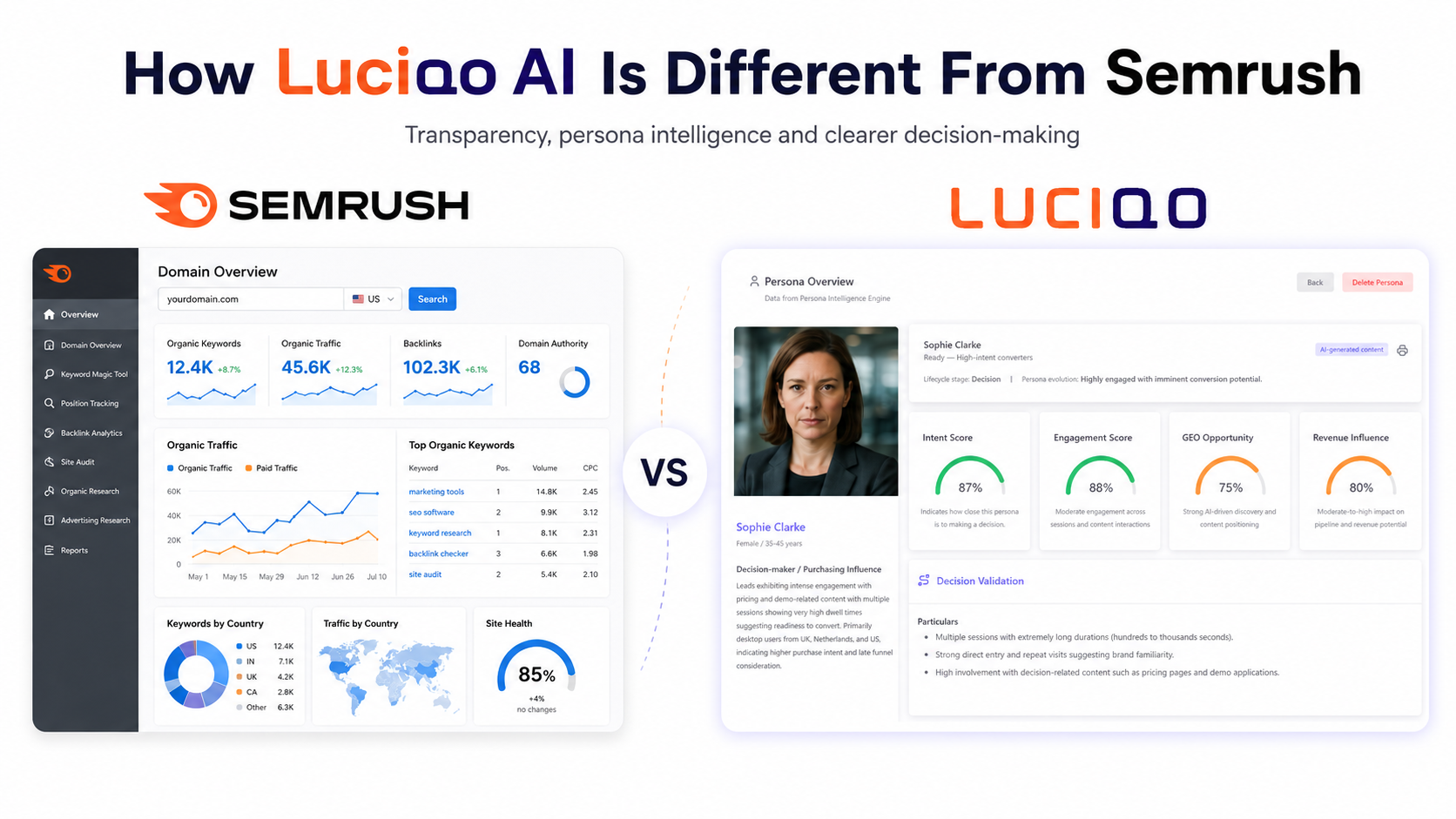
We built Luciqo to make this measurable: it tracks who assistants recommend, which competitors they cite instead, and which sources they used — then links AI visibility to revenue via Google Analytics, Matomo or HubSpot. If you want an at‑a‑glance “who’s getting cited for our category?” report, start here: luciqo.ai.
How do I measure progress and avoid noisy anecdotes?
- Track by question, not just by brand. Different intents trigger different sources. (Axios).
- Monitor both “selection” (was your page shown/cited?) and “absorption” (was your claim rephrased without a link?). The audit framework on selection vs absorption is a useful baseline. (arXiv).
- Record engine‑by‑engine deltas monthly; look for shifts when vendors change models or search integrations. OpenAI, for example, recently documented changes to search models and citation objects in its API. (OpenAI API).
At Luciqo we combine these with a simple, shared scoreboard for your team and agency partners. If you already rank in Google but aren’t being recommended by AI, this explainer helps: Your brand ranks on Google. So why isn’t AI recommending it?.
A quick checklist you can action this week
- Publish or refresh: product overview, pricing, security/compliance, and a single “How it works” explainer.
- Ship one high‑signal doc page with code or step‑by‑step instructions.
- Create a “/research” or “/data” page with at least one small, original dataset and method.
- Pitch one niche journalist/analyst with a data‑backed angle and quotable lines.
- Annotate every claim with a source link; add “last updated” dates.
- Track five buyer questions in Luciqo and log which sources each engine cites instead of you.
Bottom line
Assistants reward clarity, structure and provenance. Build a small set of canonical, verifiable pages that answer real buyer questions, and seed independent validation in the outlets each engine favours. Then measure citation share by question and by engine, and iterate. That’s how you become a cited authority in AI answers.
Frequently asked questions
Do assistants always cite their sources?
No. While Perplexity positions citations as a core feature, and ChatGPT/Gemini expose sources, independent audits still find missing or imperfect attributions. Treat citations as probable, not guaranteed, and build for “absorption” as well as explicit links. Sources: Cambridge Data & Policy; OpenAI Help.
Which single source type should I build first?
Your canonical product and docs pages — they’re the most reusable across intents and the easiest to quote. Add pricing, security/compliance and a “How it works” page with examples and update logs.
How often should I refresh pages to maintain citation potential?
Quarterly for product/pricing; immediately after material changes; and whenever a regulator or standard changes. Prominent “last updated” dates help AI decide your page is current.
Will getting press alone guarantee citations?
No. Press helps, but assistants still look for structured, precise answers. Pair coverage with well‑organised docs and data so models can cite you directly — the combo performs best.
How do I know which questions to optimise for?
Start with the top 10 buyer questions from sales calls and search logs. Then use a tracker like Luciqo to see which assistants recommend you (or a rival) and which sources they cite for those exact prompts.
Can I influence Wikipedia to get cited more?
You can contribute neutrally with high‑quality, referenced edits, but overt promotion risks reversion. It’s safer to publish authoritative, citable primary docs and let reputable third‑parties reference you.

See what AI says about your brand
Start with a free snapshot: 10 buyer questions, four AI assistants, results in minutes. No card needed.