

GEO Writer checklist: How to write content that AI assistants will quote
Gustavo De Amorim8 min read
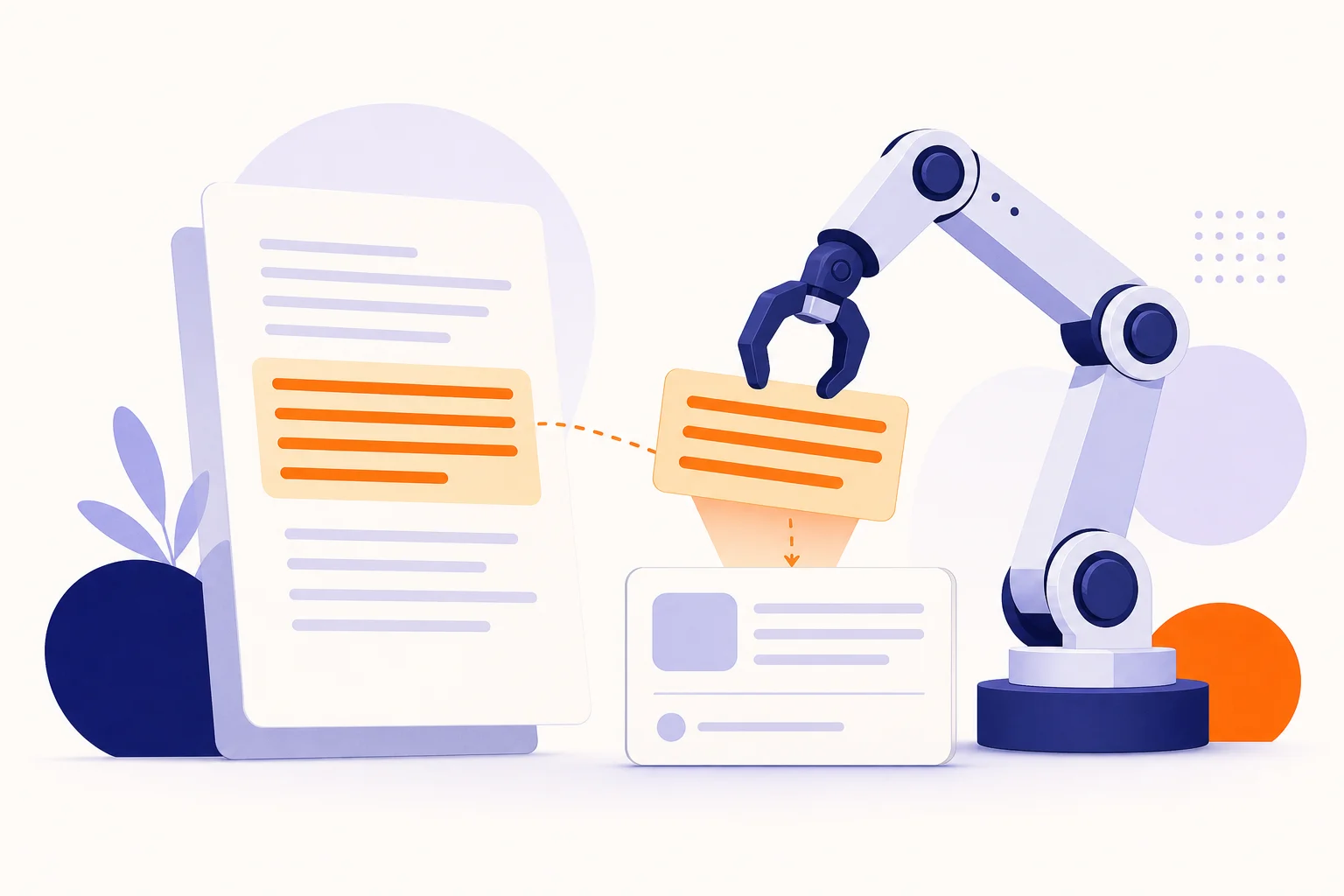
Here’s the short answer: Make one page answer one buyer question clearly, with a liftable 2–4 sentence summary, supporting facts marked up in schema, and a clean source line. Use headings that mirror the question, place definitive statements near the top, and validate your markup. Do this consistently and AI systems have something reliable to quote.
Below is the hands‑on checklist we use at Luciqo and give to clients.
What makes content “quotable” by AI assistants?
- It contains a self‑contained passage that directly answers a common question in plain English and can be copied without extra context.
- It’s machine‑legible: crawlable, indexable and marked up with correct structured data. Google’s general structured data guidelines say markup must be accurate and reflect visible content to be eligible for rich results, which is also foundational for AI systems that rely on the open web.
- It follows content quality basics. Google’s guidance on creating helpful, reliable, people‑first content stresses original value and clear purpose—principles assistants use as signals of trust.
- It’s supported by correct schema that major engines read. Bing’s documentation on marking up your site with structured data confirms annotations help Bing validate and enhance answers.
- It respects how answer engines attribute. Bing’s new AI Performance reporting defines a “citation” as your content being visibly referenced in an AI‑generated answer—useful proof you were actually quoted.
Reality check: assistants don’t always cite perfectly; coverage and accuracy vary by product and query. That inconsistency has been widely reported in the tech press.
How should I structure the page so AI can lift the answer?
- Lead with the answer. First 2–4 sentences should directly answer the question in buyer language.
- Use a question as your H2. Assistants often anchor on headings that match the user’s intent.
- One intent per page. Don’t bury the main question in a mega‑guide.
- Short paragraphs (2–4 lines), active voice, concrete nouns.
- A numbered process for steps; a bulleted checklist for factors.
- Include a “source line” near the relevant claim (e.g., “Based on a 2026 UK survey by …”).
- Keep essential facts visible in HTML, not only in images or tabs.
What factual markup and schema should I use?
Use schema to confirm what your words already say. Stay within official specifications and platform policies.
- Organisation and authorship: Use Organization, WebSite, WebPage and Person to make authorship explicit.
- Answer formats: Use FAQPage where you truly present FAQs; HowTo for processes; Article/BlogPosting for editorial. Follow Google’s structured data policies and test your pages.
- Eligibility and helpfulness: Google’s Search Essentials highlight following best practices for images, JS and structured data so Google can understand your page—table stakes for AI visibility.
- Bing support: Bing confirms it uses annotations to “supplement and validate” data in answers.
Tip: Validate your structured data in your build pipeline and re‑test with every content push.
How do I write the succinct answer snippet assistants can quote?
- Mimic a buyer’s query in the first sentence: “What is X?”, “How do I Y?”, “Who should use Z?”
- Give the direct answer in 1–2 sentences.
- Add one short supporting stat or fact with a source line.
- Avoid hedging language (“might”, “could”) unless required.
- Keep names and figures close to the claim so a model can lift the whole bit without crossing paragraphs.
Example snippet (liftable):
“X is a time‑boxed usability test where five users complete the same task. Most teams can run it in a day and fix the top issues within a week.”
What are “attribution hooks” and where do I use them?
Attribution hooks are small, unambiguous signals that make it easy for an assistant to credit you.
- A named methodology (“The 7‑step X audit by [Your Brand]”).
- A unique table or checklist with a descriptive caption.
- A clearly labelled “Definition” block that reads like a dictionary entry.
- A data point from original research, with a clear date and link to the methods page.
Don’t overdo it. Bing warns that manipulative snippet control or misusing tags can reduce visibility; its Webmaster Guidelines flag such tactics and may limit eligibility in AI answers.
Can I see if AI actually quoted us?
Yes. In Microsoft’s ecosystem, the AI Performance report surfaces citations from AI answers to your site. Export and correlate with traffic.
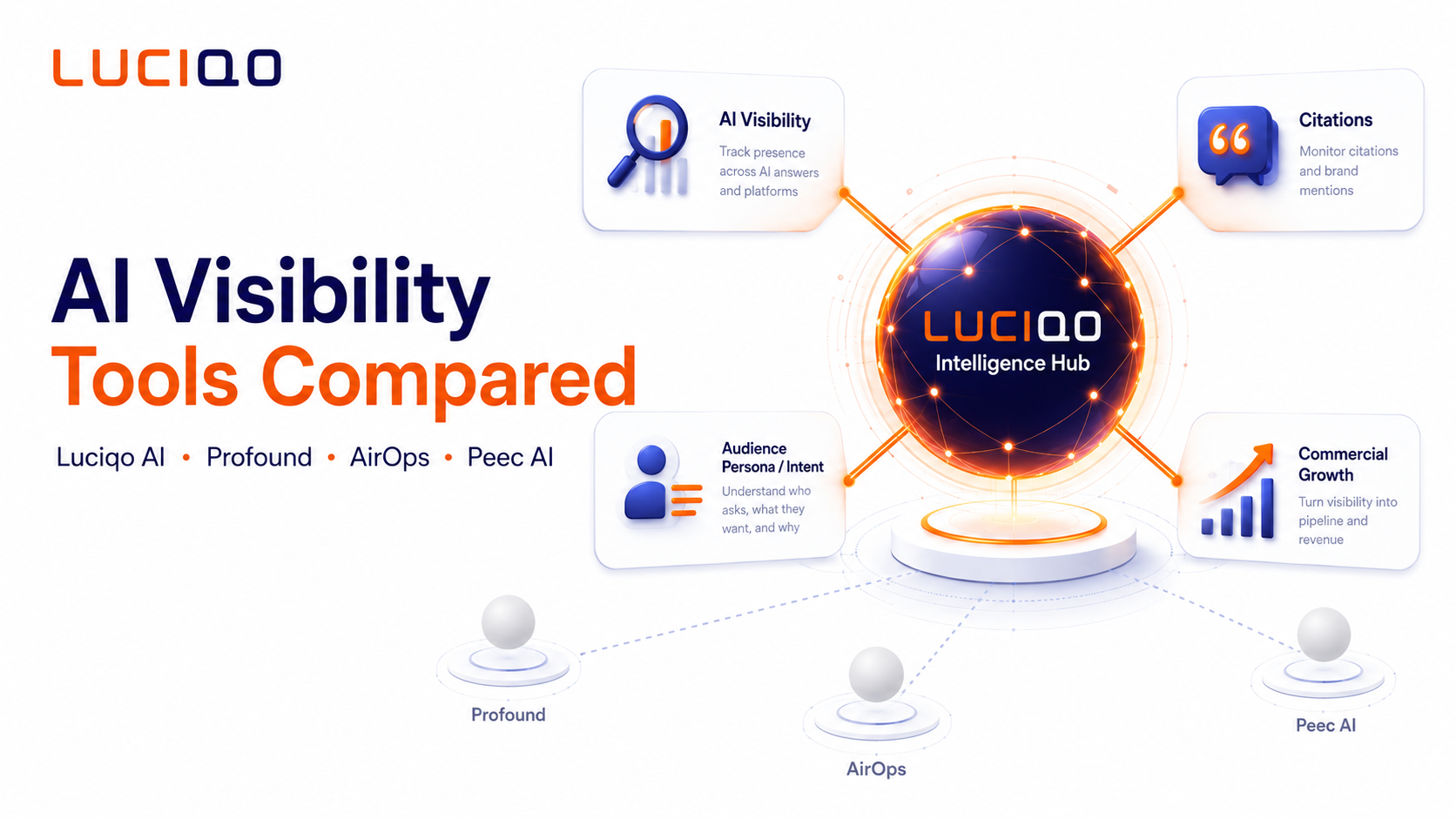
We built Luciqo to make this cross‑channel: it checks what major assistants recommend, which rivals they cite, and links AI visibility to revenue through Google Analytics, Matomo and HubSpot. If you need to monitor this systematically, have a look at Luciqo.
Related reads: How do AI assistants decide which businesses to recommend? and Your Brand Ranks on Google. So Why Isn’t AI Recommending It?.
The GEO Writer checklist (copy, paste, ship)
- Page intent
- One buyer question per page
- Search intent mirrored in H1/H2
- Answer‑first intro (2–4 sentences)
- Evidence
- One primary source per key claim
- Date each stat; keep methods link handy
- Add a “source line” after the claim
- Structure
- Short paragraphs; scannable subheads
- One bulleted checklist or numbered process
- One table that summarises comparisons (if relevant)
- Markup
- WebPage, Article/BlogPosting, Organization, Person
- FAQPage or HowTo only when it truly fits
- Validate structured data before deploy
- Attribution hooks
- Named method or checklist
- Definition block for core terms
- Alt text and captions that restate the key fact
- Technical
- Crawlable, indexable; avoid blocking CSS/JS
- Canonicals set; avoid duplicates
- Fast LCP, stable CLS; mobile‑first
- Measurement
- Track citations and AI mentions weekly
- Map AI mentions to assisted conversions
- Iterate pages that get near‑miss citations
Examples you can model in minutes
- Definition block
What is a “lead quality score”? A lead quality score is a 0–100 measure of how closely a prospect matches your ideal customer profile and buying intent. Teams usually compute it from firmographic, behavioural and channel data.
- Answer‑first paragraph
“How do I pick a payroll provider in the UK?” Choose a provider based on HMRC compatibility, auto‑enrolment support, per‑employee pricing, RTI submissions, and error handling. Ask for references from a business your size and industry.
- Attribution hook caption
Table: “The five‑signal ICP test we use at [Your Brand] (fit, pain, urgency, access, payback).”
What schema template should I start from?
Use JSON‑LD. Keep it honest and minimal.
{
  "@context": "https://schema.org",
  "@type": "BlogPosting",
  "headline": "GEO Writer checklist: How to write content that AI assistants will quote",
  "datePublished": "2026-10-28",
  "author": {
    "@type": "Person",
    "name": "Gustavo De Amorim"
  },
  "publisher": {
    "@type": "Organization",
    "name": "Luciqo",
    "url": "https://luciqo.ai"
  },
  "mainEntity": {
    "@type": "Question",
    "name": "How do I write content that AI assistants will quote?",
    "acceptedAnswer": {
      "@type": "Answer",
      "text": "Lead with a 2–4 sentence direct answer, support with one citeable fact, and add accurate structured data (FAQPage/HowTo only when appropriate)."
    }
  }
}
Validate your markup and ensure it reflects on‑page content. Follow platform policies (Google’s structured data rules and Bing’s structured data guidance) and avoid manipulative controls. Google SD policies • Bing structured data.
How do I test if my page is “AI‑preferred” before launch?
- Prompt rehearsal: Ask each assistant the exact buyer question and scan the citations they show. If your draft isn’t showing, tune the snippet and headings. Bing explains how it forms “Answers” and what signals matter in its public note on how it delivers search results.
- Liftability test: Can a colleague copy your first 3 sentences and paste them into an email without extra context? If not, tighten.
- Schema check: Validate JSON‑LD; confirm it mirrors the visible content.
- Evidence audit: For each claim, is the source obvious and current (with a date)?
- Observability: After publishing, track AI citations. Microsoft’s AI Performance lets you see where your pages were referenced in AI answers. Luciqo also monitors which assistants recommend you and which competitors they cite, then links that to revenue—so you can prioritise fixes that pay back. Luciqo.
What should I do next?
- Pick one commercial intent you must win this quarter.
- Ship one page that follows this checklist end‑to‑end.
- Instrument it for citations and conversions.
- Review weekly, iterate the snippet, schema and sources.
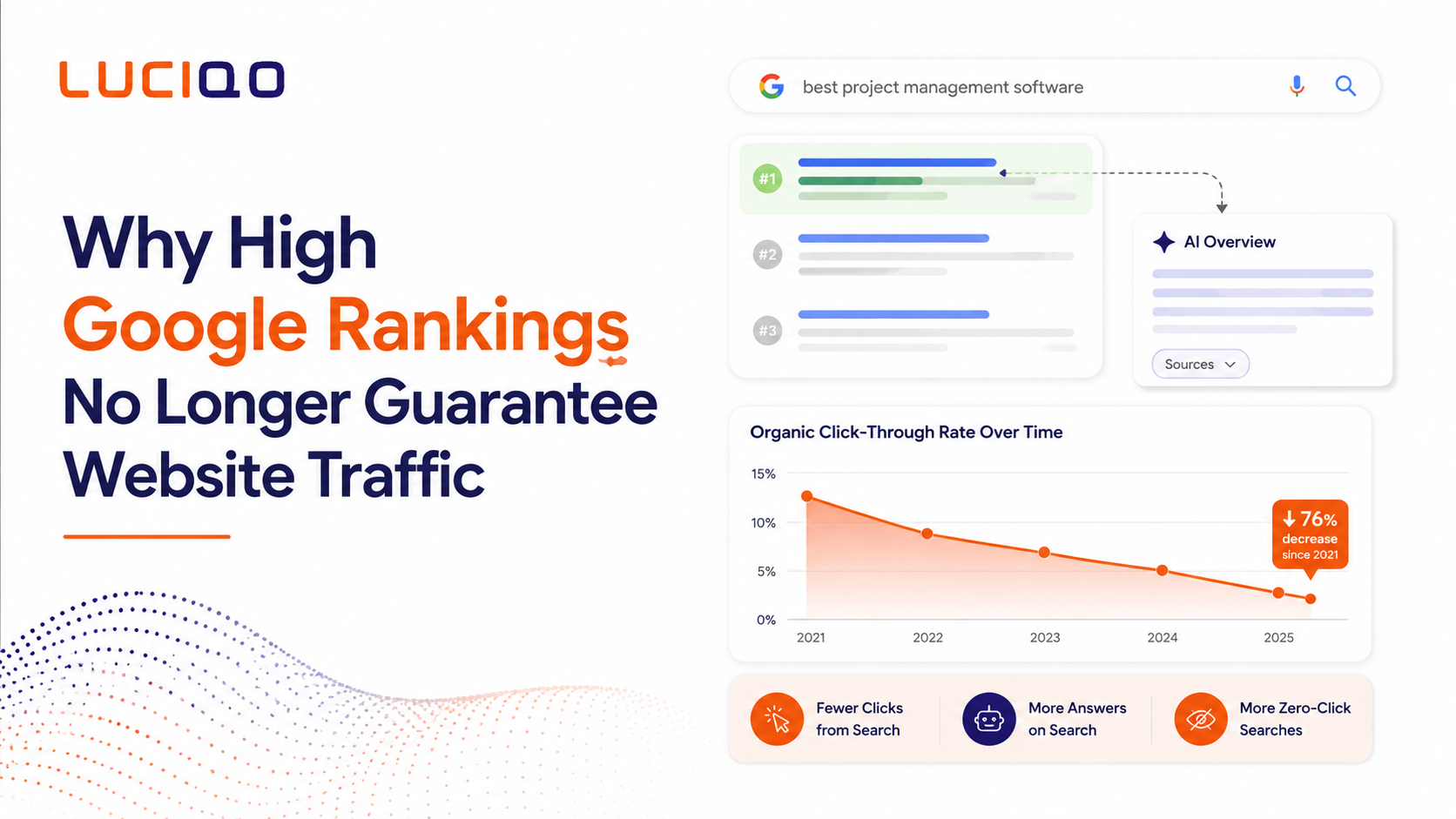
If you want more context on how assistants weigh brands and sources, read: Why your digital footprint determines whether AI recommends your business and Why High Google Rankings No Longer Guarantee Website Traffic.
Frequently asked questions
Does using FAQPage or HowTo schema increase the chance of being quoted by AI?
It helps only when it truly matches your on‑page format and content. Both Google and Bing say structured data must reflect visible content and is used to validate and enhance results—not as a shortcut. Follow the official structured data policies and test your pages.
Should I add a special ‘AI’ tag or file to get cited?
No. There’s no universal ‘AI’ meta tag that guarantees citation. Focus on answer‑first writing, accurate schema and crawlability. Use Microsoft’s AI Performance report and tools like Luciqo to see if you’re actually being referenced.
Do assistants always cite sources correctly?
No. Attribution varies by product and query. Treat citation as a signal to optimise for—not a promise. That’s why ongoing monitoring matters.
What length is best for a liftable snippet?
Aim for 2–4 tight sentences (40–80 words) that answer the question directly. Keep names, dates and figures in the same block so models can lift the whole passage cleanly.
Where should I place statistics and claims?
As close as possible to the relevant sentence, with a clear source line and link. If it’s a key claim, consider an adjacent definition box or table and confirm the date.
How often should I update pages for AI visibility?
For commercial content, review quarterly at minimum. Refresh claims, check schema validity and re‑test with assistants. Update sooner if a key stat or product detail changes.

See what AI says about your brand
Start with a free snapshot: 10 buyer questions, four AI assistants, results in minutes. No card needed.